

As time moves quickly, many businesses focus on the task immediately in front of them, often without realizing that new and more efficient systems are being developed every day—systems that help competitors stay ahead of the game. Artificial intelligence (AI), in particular, has been rapidly evolving, transforming how we use technology—from asking simple questions to building automated workflows and creating video content. This shift is fundamentally changing how businesses operate, making processes faster and more efficient. As a result, many companies are increasingly drawn to implementing AI systems within their operations. As Hawaiʻi faces challenges in keeping pace with the rapid adoption of efficient technologies compared to mainland competitors, many local business owners are becoming more curious about how they can modernize their operations. To remain competitive and thrive, Hawaii businesses are actively seeking ways to adopt new technologies that support growth and long-term success, which leads to the concept of AI automation, their personal assistant on the tasks that business owners hate doing.
What Is AI Automation and How Does It Help Businesses Improve Efficiency and Growth?
AI automation refers to software systems designed to perform specific tasks automatically, helping businesses save time, reduce manual work, and operate more efficiently. These AI‑powered workflows—often called AI agents—can handle repetitive tasks such as tracking website traffic, monitoring flight delays, sending mass emails, scheduling appointments, posting social media content, and even automating security protocols to respond quickly to cyber threats. By offloading these time‑consuming tasks to AI, business owners can focus on higher‑priority responsibilities like leading meetings, developing products, managing teams, or handling strategic decisions. Time is one of the most valuable resources in any business, and wasting it creates a significant opportunity cost. AI automation eliminates that waste by completing routine tasks faster, more accurately, and at a lower cost than manual labor. With AI agents integrated into daily operations, businesses can streamline workflows, improve productivity, and free up valuable time to focus on growth and innovation.
How AI Automation Performs Tasks Traditionally Done by Employees?
AI automation doesn't just improve efficiency — it can also take on many of the tasks that employees typically handle. This is especially valuable for business owners who may not have the time, skill, or resources to manage certain roles themselves. For example, AI agents can function like a social media manager, creating content, writing job postings, generating blogs and updates, producing quarterly reports, and designing marketing materials. These tasks can be completed automatically or set up to require approval before publishing. Once connected to your social accounts, AI agents can also post across all platforms on a schedule, eliminating the need for owners to manually upload content one platform at a time. AI automation can also act as a virtual assistant, handling tasks such as scheduling appointments, emailing leads, sending reminders, and managing follow‑ups. By using templates created by the business owner, AI agents can communicate with multiple leads at once, confirm bookings, and keep calendars organized without the owner scrambling to manage their availability. There are countless roles an AI agent can support — from administrative work to marketing, customer service, and operations. This naturally leads to one of the biggest benefits of AI automation: significant cost savings compared to hiring additional staff.

AI Automation vs. Employee Costs: How Businesses Save Money With AI Agents
For most businesses, payroll is the largest ongoing expense. Employee wages, benefits, insurance, and overhead add up quickly, especially when hiring for roles that involve repetitive or administrative tasks. AI automation dramatically reduces these costs by replacing many of those functions with AI agents that perform the same work at a fraction of the price. Take roles like social media management or personal assistance. A traditional social media manager can cost a business anywhere from $2,000 to $10,000 per month, whether hired in‑house or through an agency. In contrast, an AI system capable of creating content, scheduling posts, generating reports, and managing engagement typically costs between $99 and $299 per month, depending on the subscription tier and features required. When you compare annual costs, the difference becomes even clearer. Hiring an employee for these tasks—without factoring in insurance, benefits, or onboarding—starts at roughly $24,000 per year. Meanwhile, even the highest‑tier AI automation system costs around $3,588 per year, making it over 85% cheaper than the lowest-cost human hire. This massive cost difference is one of the main reasons businesses are rapidly adopting AI automation. It offers consistent performance, eliminates repetitive workload, and frees up owners to focus on high‑value priorities—all while significantly reducing operational expenses. For many business owners, AI isn't just a helpful tool; it's a financially strategic decision that's too compelling to ignore.
Who Is Using AI Automation and Why Businesses Are Adopting It Quickly?
AI automation is being adopted across a wide range of industries, and its usage continues to grow as businesses recognize how effective AI is at handling repetitive, time‑consuming tasks. According to research cited by Forbes, the most common business applications for AI include customer service, cybersecurity and fraud detection, digital personal assistants, customer relationship management (CRM), and inventory management. These roles involve large amounts of routine work, which makes them ideal for AI systems that can perform tasks faster, more accurately, and at a lower cost than human employees. AI adoption also varies across age groups, showing that both younger and older generations are embracing AI tools. For example, 29.9% of adults aged 18–25 use virtual assistants like ChatGPT or Claude weekly, while 30.8% of adults aged 61+ regularly use tools such as Siri or Alexa. Interestingly, the lowest adoption rate comes from the 41–60 age group, which includes many Baby Boomers and Gen X users who tend to prefer familiar, traditional systems. Meanwhile, 25.3% of adults aged 26–40 use AI tools weekly—likely reflecting a growing number of established business owners exploring AI to improve efficiency and reduce operational costs. These demographic trends highlight a key insight: across generations, people are increasingly viewing AI as a valuable tool rather than a threat. Businesses especially see AI as a strategic advantage. Forbes reports that AI is expected to increase employee productivity by up to 40%, allowing teams to focus on high‑priority tasks while AI handles repetitive work. Additionally, 60% of business owners believe AI will boost their productivity, and 83% of companies say integrating AI into their business strategy is now a top priority to stay competitive in a rapidly evolving market.
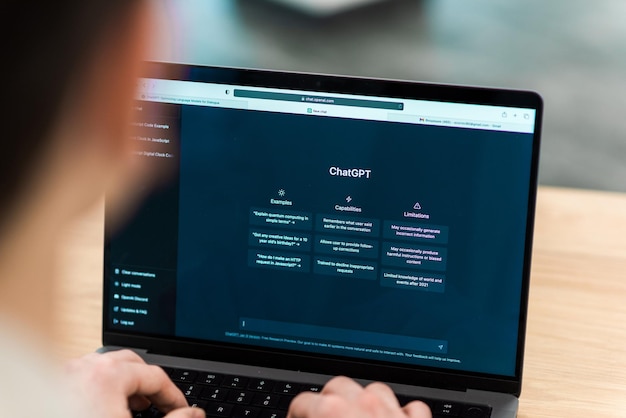
How AI Automation Can Help Local Hawaiʻi Businesses
AI automation has the potential to transform how Hawaiʻi businesses save time, reduce costs, and operate more efficiently. KHON recently highlighted insights from Nicole Cacal, founder and CEO of Forbes Ignite, who shared her vision for how AI will reshape Hawaiʻi's business landscape over the next 5–15 years. Cacal emphasizes the importance of ethical AI development, noting that new technologies must be designed with a deep understanding of human needs and cultural values. As she explains, "The best technology is the kind that actually meets people's real needs." This means AI should enhance—not replace—the human connection that is central to Hawaiʻi's culture. For example, using an AI voice system for customer service calls may frustrate customers who prefer speaking with a real person, potentially harming a business's reputation. However, when used appropriately, AI can handle tasks such as data processing, appointment management, security monitoring, and workflow automation. These are areas where AI excels and can significantly reduce the daily workload for business owners. While AI cannot replace human creativity or emotional intelligence, combining AI tools with local cultural insight allows workers to collaborate with technology in a way that maximizes both human and machine strengths. For local Hawaiʻi businesses, blending human expertise with AI automation can be a powerful strategy—preserving the islands' strong sense of community while improving productivity, reducing stress, and freeing up time for higher‑value work.

How AI Automation Can Support Hawaiʻi as a State
AI automation can play a major role in addressing statewide challenges such as food security, supply chain management, and long‑term sustainability. Cacal notes that "AI can optimize local food production and reduce the need for imports while enhancing food security," a critical issue for Hawaiʻi's future. AI technologies can help farmers and food producers make smarter decisions through data‑driven insights on crop planning, irrigation, pest control, and resource allocation. These optimizations lead to higher yields, reduced waste, and more efficient operations—key advantages for a state that relies heavily on imported goods. Additionally, AI‑powered forecasting tools can strengthen Hawaiʻi's resilience by predicting shortages, improving distribution, and supporting sustainable farming practices. Rather than replacing local knowledge, AI enhances it, giving producers the ability to scale responsibly while maintaining quality and environmental stewardship. When implemented thoughtfully, AI automation becomes a tool that supports Hawaiʻi's long‑term goal of greater self‑sufficiency, stronger local agriculture, and a more stable food system.
How Small Local Businesses in Hawaiʻi Can Compete With Larger Companies Using AI Automation
Cacal highlights AI as a powerful equalizer for small businesses facing competition from larger mainland companies. AI automation gives local entrepreneurs access to tools that were once available only to corporations with large budgets—such as advanced analytics, customer management systems, and automated marketing workflows. With AI, small businesses can make data‑informed decisions, streamline operations, and improve customer engagement without hiring large teams. This levels the playing field and allows local companies to operate with the same efficiency and strategic insight as much bigger competitors. The benefits extend beyond individual businesses. When local companies become more competitive, they strengthen Hawaiʻi's economy by keeping revenue in the community, creating jobs, and supporting long‑term sustainability. In this way, AI automation not only boosts business performance but also reinforces the economic resilience of Hawaiʻi's local communities.

Key Takeaways
AI handles repetitive, time-consuming tasks—like scheduling, posting on social media, emailing leads, and generating reports—so business owners can focus on higher-value work. Automating routine tasks reduces opportunity cost and boosts overall productivity. AI can act like a social media manager, virtual assistant, or administrative support system. It creates content, manages calendars, sends reminders, and handles customer communication using templates set by the business owner. This reduces workload without needing to hire additional staff. Human roles like social media management can cost $2,000–$10,000 per month. AI systems offering similar capabilities cost roughly $99–$299 per month. Annual savings can exceed 85%, making AI a financially strategic choice. Industries using AI must include customer service, cybersecurity, CRM, and inventory management. Younger and older adults use AI tools regularly, while middle-aged groups adopt more slowly. Businesses see AI as a competitive advantage, with many expecting productivity boosts of up to 40%. AI helps Hawaiʻi businesses modernize, stay competitive, and operate more efficiently. Ethical and culturally aware AI use is essential—especially in customer-facing roles where human connection matters. AI excels in backend tasks like data processing, scheduling, and workflow automation. AI can improve food security by optimizing crop planning, irrigation, and resource use. Predictive tools help manage supply chains, reduce waste, and support sustainable agriculture. AI enhances local knowledge rather than replacing it. Small businesses gain access to tools once reserved for large corporations—analytics, automated marketing, customer management, and more. This boosts competitiveness, keeps revenue local, and strengthens Hawaiʻi's economy.
Sources & References
Found this article helpful? Share it with your network!